

The MIND Diet: A Practical Guide to Eating for a Sharper Brain
Have you ever had trouble concentrating on a book you started last week or forgotten where you put your keys? You’re not alone; stress and aging are two of the many challenges that modern brains must deal with. But what if you could maintain the sharpness of your plate with a few easy adjustments? The MIND diet can help with that. It’s a clever combination of two tried and true eating patterns that will safeguard your brain and reduce your risk of dementia, not just a passing trend. We’ll walk you through everything step by step in this guide, complete with simple food substitutions, genuine science, and meal plans you can follow. Let’s explore how improving one’s diet can lead to improved cognitive function.
What Exactly Is the MIND Diet?
Imagine combining the DASH diet, which lowers blood pressure, with the Mediterranean diet, which emphasizes fresh vegetables and olive oil. The Mediterranean DASH Intervention for Neurodegenerative Delay, or MIND diet, is the result of their combined efforts. It was created specifically for brain health by researchers at Rush University Medical Center. MIND focuses on nutrients associated with slower cognitive decline, in contrast to typical healthy eating strategies.
Fundamentally, the MIND diet assigns you a score based on how well you adhere to 15 elements: Eat more of the ten brain boosting food groups and less of the five. For the greatest advantages, aim for a score of 9 to 12 out of 15. It’s adaptable it just offers rules that work with everyday life, not rigid calorie counting or prohibited foods. For example, you can occasionally eat cheese instead of completely abstaining from it.
I like how it expands on what we already know is effective. While the Mediterranean diet is excellent for heart health and DASH for hypertension, MIND highlights foods that are particular to the brain, such as leafy greens and berries. It is like to personalizing a toolbox for your most vital organ.

The Science: Why It Works for Your Brain
Let’s discuss the proof because without it, who would want advice? According to studies, the MIND diet can reduce your risk of Alzheimer’s by up to 53% if you follow it strictly and by 35% even if you’re generally on track. High scorers’ brains performed like those of someone 7.5 years younger, according to a seminal 2015 study that tracked over 900 senior citizens for over five years.
In 2025, a University of Hawaii research discovered that adopting MIND in midlife reduces the risk of dementia by 25% over ten years. In a three year study of people over 65, another from NEJM examined it; participants on MIND delayed cognitive deterioration by 1.5 years in comparison to controls. It’s not magic; it’s nutrients like the folate in greens, the omega 3s in fish, and the antioxidants in berries that combat inflammation and create brain cells.
Here’s a novel perspective, though: MIND is restorative as well as preventive. Women taking it had a 20% lower risk of cognitive impairment, according to a 2024 Neurology study, suggesting that there are benefits specific to gender. This can be a tactful technique to push back if you’re seeing fog these days.
The Foods That Fuel Your Mind
Ready to stock your kitchen? The MIND diet spotlights 10 hero groups. Here’s the rundown, with servings to aim for weekly:
| Food Group | Recommended Servings | Why It Helps |
|---|---|---|
| Green leafy vegetables (spinach, kale) | 6+ per week | Rich in vitamin K and lutein for memory protection |
| Other vegetables (broccoli, carrots) | 1+ per day | Antioxidants combat oxidative stress |
| Berries (blueberries, strawberries) | 2+ per week | Flavonoids delay brain aging by years |
| Nuts (almonds, walnuts) | 5+ per week | Healthy fats and vitamin E shield neurons |
| Whole grains (oats, brown rice) | 3+ per day | Steady energy without blood sugar spikes |
| Fish (salmon, tuna) | 1+ per week | Omega-3s reduce inflammation |
| Poultry (chicken, turkey) | 2+ per week | Lean protein without saturated fats |
| Beans and legumes (lentils, chickpeas) | 3-4 per week | Fiber for gut-brain axis health |
| Olive oil | Primary fat source | Monounsaturated fats improve blood flow |
| Wine (optional) | 1 glass per day | Resveratrol in moderation supports vessels |
Now, the limits think of these as occasional treats, not daily staples:
Less than four servings of red meat each week. To reduce artery clogging lipids, substitute plant proteins.
Stick margarine and butter: Less than 1 tablespoon daily. Instead, cook using olive oil.
Less than one serving of cheese each week. If you have a dairy craving, go for yogurt.
Less than five servings of sweets and pastries each week. Nut topped fruit is a great way to satisfy your sweet desire.
Less than one serving of fast food or fried food each week. Cooking at home maintains cleanliness.
A useful substitution is to use avocado on whole grain bread instead of buttered toast. It’s brain friendly, filling, and creamy.
How MIND Stacks Up Against Mediterranean and DASH
What’s the difference between DASH and Mediterranean, if you’ve heard of either? While all three advocate for complete foods, MIND is particularly cognition focused. In general, the Mediterranean diet emphasizes fruits, vegetables, and healthy fats; DASH focuses on potassium and salt to lower blood pressure. While MIND incorporates the best elements, it makes adjustments for the brain, such as giving nuts and berries (but not all fruits) a higher priority than either parent diet.
According to studies, MIND has advantages for the mind. A 2021 review found it outperformed both in slowing cognitive decline. DASH helps hearts, Mediterranean lifespans MIND does both, plus sharper thinking. This hybrid can be your sweet spot if you’re over 50 or are concerned about your family’s past.
A Week of MIND Meals: Easy Ideas to Start
Meal planning doesn’t have to be too much work. Based on the 30 day plan from EatingWell and other experts, here is a basic seven day schedule. Adapt serving sizes to your needs and emphasize diversity.
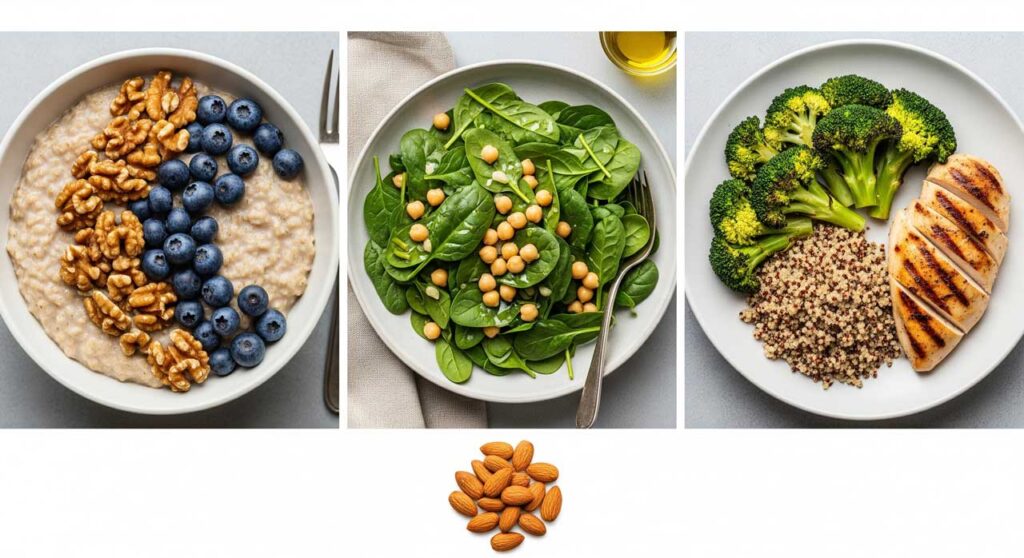
Monday: Breakfast is oatmeal topped with walnuts and blueberries. Lunch consists of spinach and chickpea salad dressed with olive oil. Supper will be broccoli, quinoa, and grilled chicken. A handful of almonds as a snack.
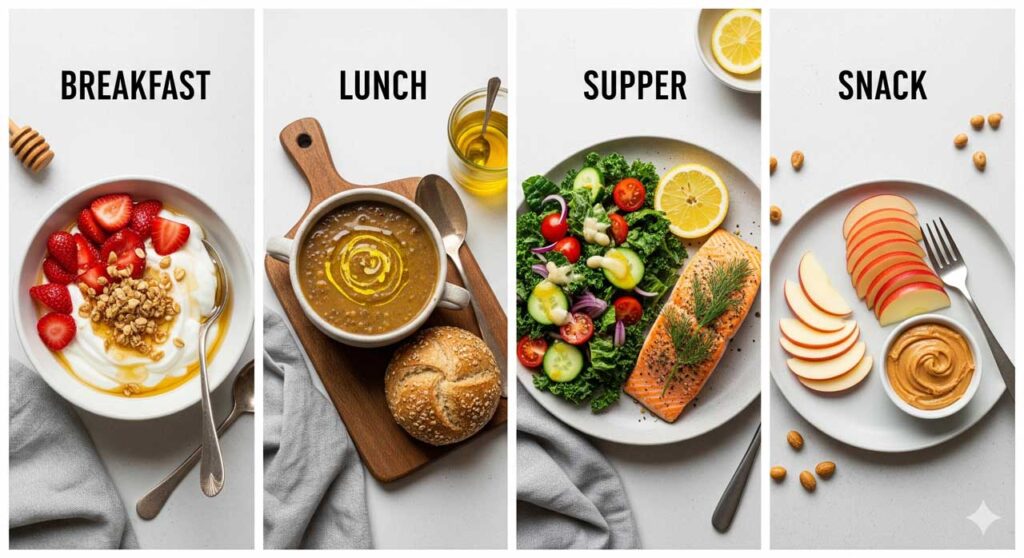
Tuesday: Strawberry and Greek yogurt for breakfast. Lunch will be a whole grain roll and lentil soup. Supper will be kale salad and baked salmon. Snack: Apple slices paired with nut-based peanut butter.
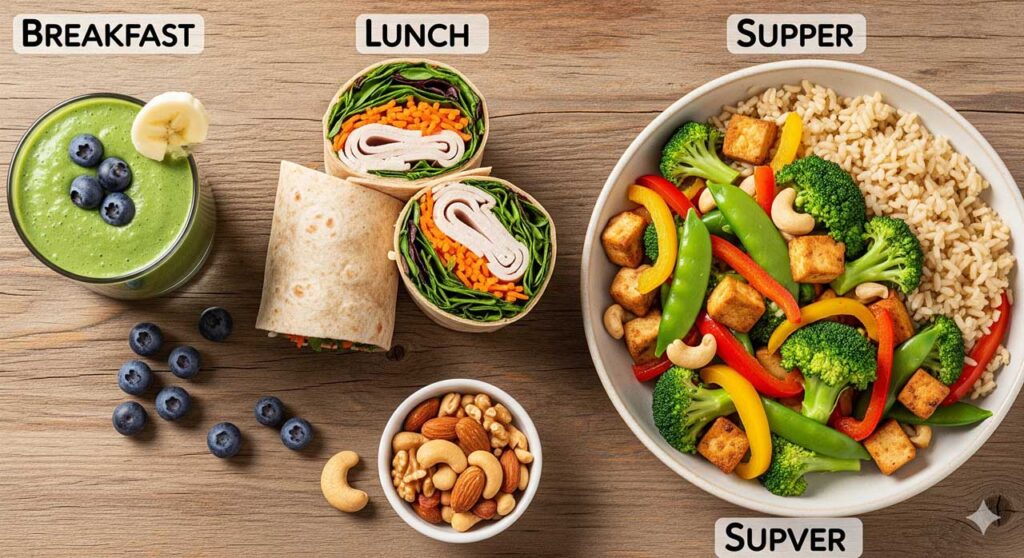
Wednesday: Smoothie with banana, berries, and spinach for breakfast. Lunch is a turkey wrap with vegetables on a whole wheat tortilla. Supper will be brown rice stir fried with vegetables and tofu (a bean substitute). Mixed nuts for a snack.
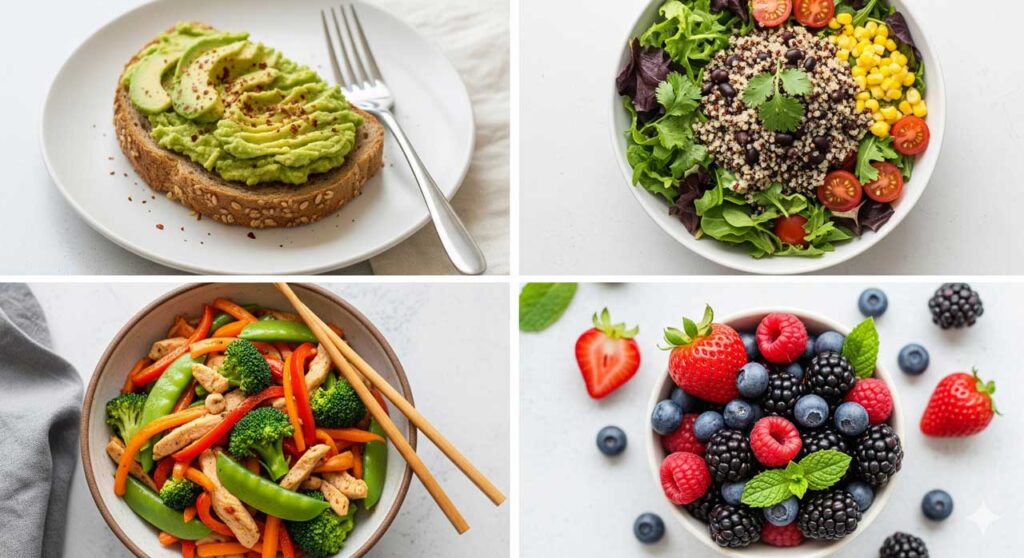
Thursday: Avocado and whole grain bread for breakfast. Quinoa bowl with greens and beans for lunch. Supper will be stir fried poultry with a variety of vegetables. Fresh berries as a snack.
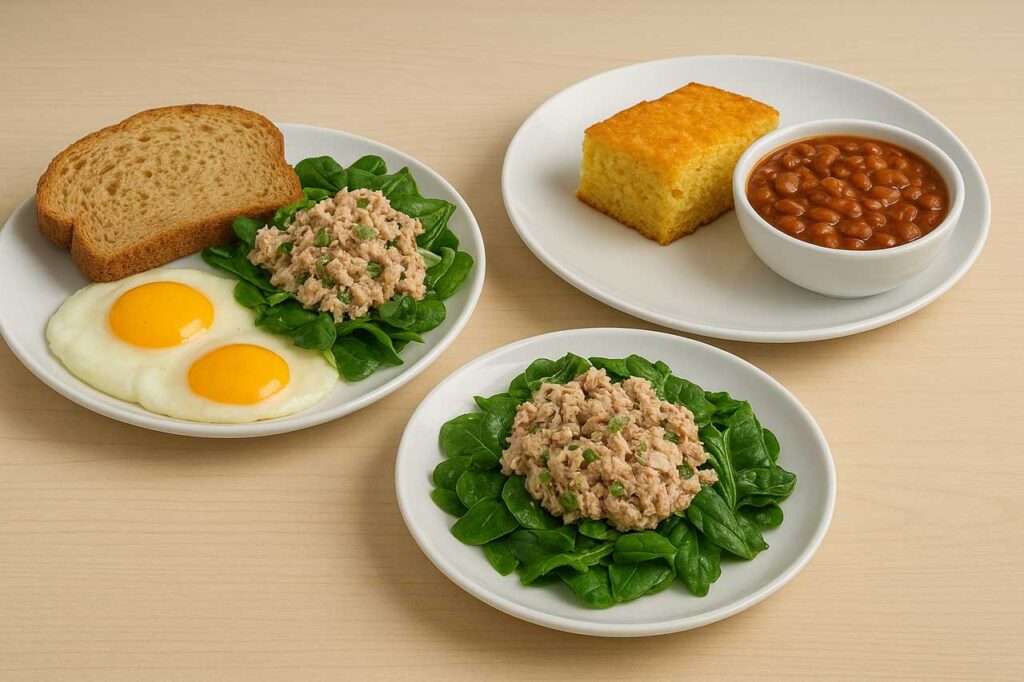
Friday: Breakfast consists of whole grain bread and eggs with spinach. Tuna salad over greens for lunch. Cornbread and bean chili for supper. Snack: Nut topped yogurt.
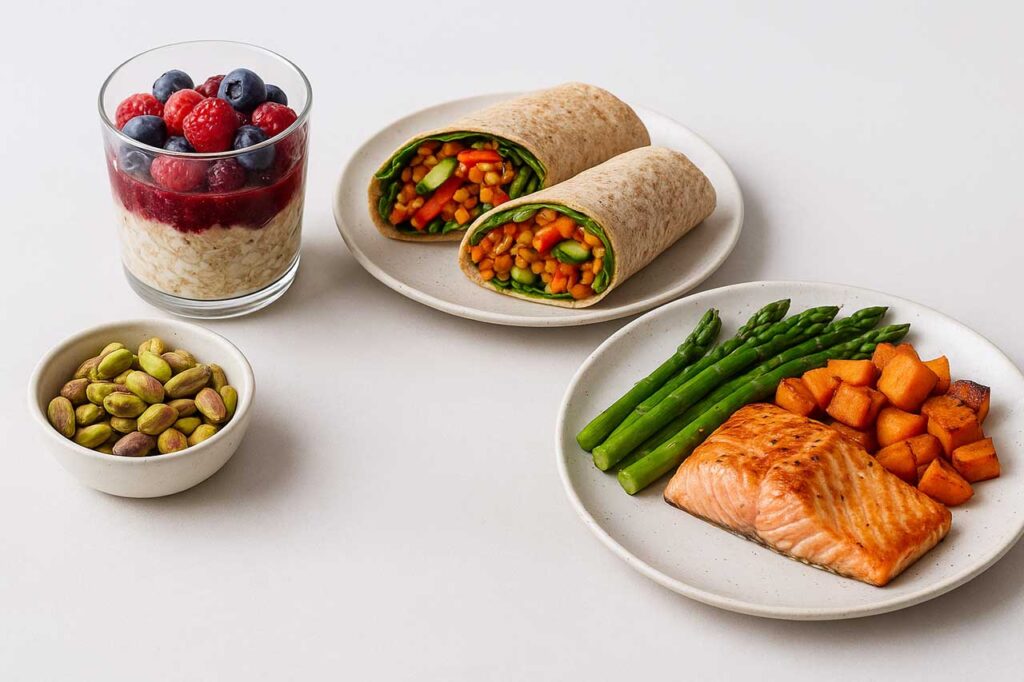
Saturday: Oats and berry parfait for breakfast. Lunch is a lentil wrap loaded with vegetables. Supper will be asparagus, sweet potatoes, and grilled salmon. A handful of pistachios as a snack.
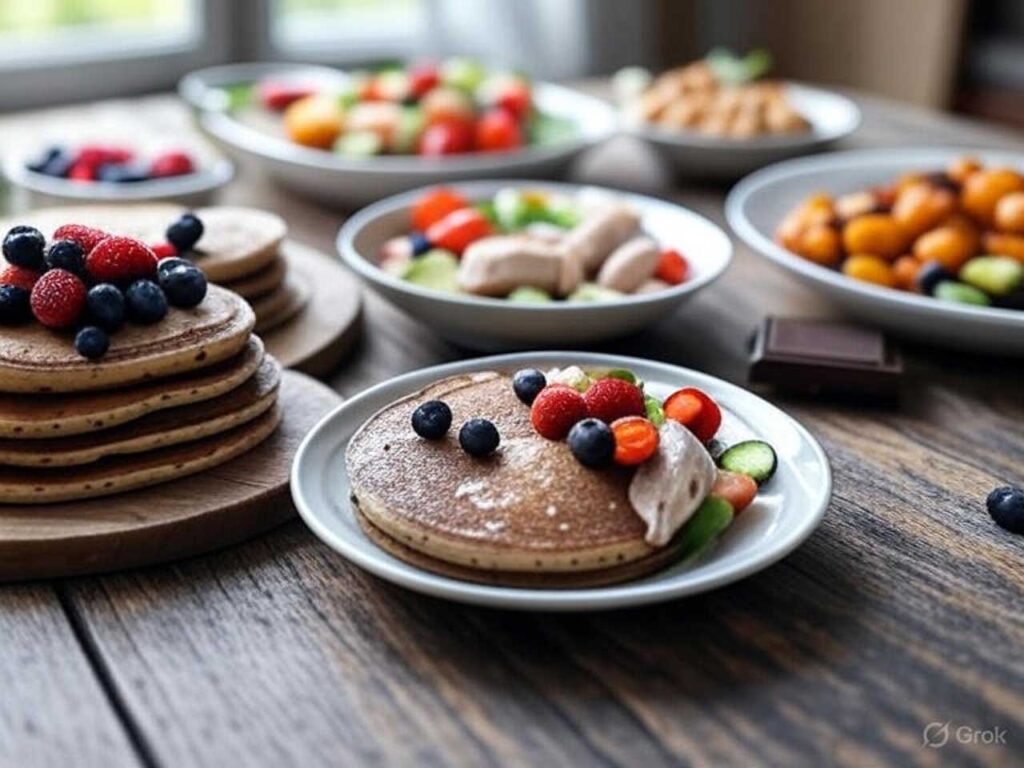
Sunday: berry topped whole grain pancakes for breakfast. Lunch is a salad of poultry. Supper will be chickpeas and roasted vegetables. Snack: A square of dark chocolate (not very sweet).
Water, herbal tea, or that optional wine are the best options for beverages. Expert advice: Prepare grains and greens. Sunday to go through the week with ease. The majority of targets are met by this configuration without feeling constrained.
Tips to Make MIND a Lifestyle
Starting is simple; maintaining it requires adjustments. Use a diary or app to track your score every week, and try to get better at one thing at a time. For hectic days, keep bagged greens and frozen berries on hand; they’re as nourishing.
Is there family involved? Try a “brain night” with salmon tacos to make it enjoyable for the whole group. Oats and beans are inexpensive powerhouses if money is tight. One realization: MIND is powerful when linked with puzzles or walks; food is insufficient on its own.
Difficulties? If you have a sweet tooth, mix some fruit into a “nice cream.” Bring nuts and download meals that are more vegetarian friendly for your trip. Choosing consistency above perfection is beneficial, even in small doses.
Beyond the Brain: Other Perks and What to Watch
MIND is not just the brain. Because of its fiber and anti inflammatory properties, it helps with diabetic control, heart health, and weight management. It ranked first for healthy eating in a 2025 U.S. News ranking.
Notes: It’s not a panacea; if you have any ailments, see a doctor. More beans can be used in place of fish for vegetarians. Monitor your feelings; in a few weeks, you may notice a greater focus.
Your Next Step: Sharpen Up Today
Small plate adjustments result in large cognitive gains, as demonstrated by the MIND diet. From fruit boosters to leafy greens, it’s tasty and achievable. Your future self will appreciate it if you start with only one meal swap this week. Have inquiries? Leave a comment and let’s discuss berries.
