
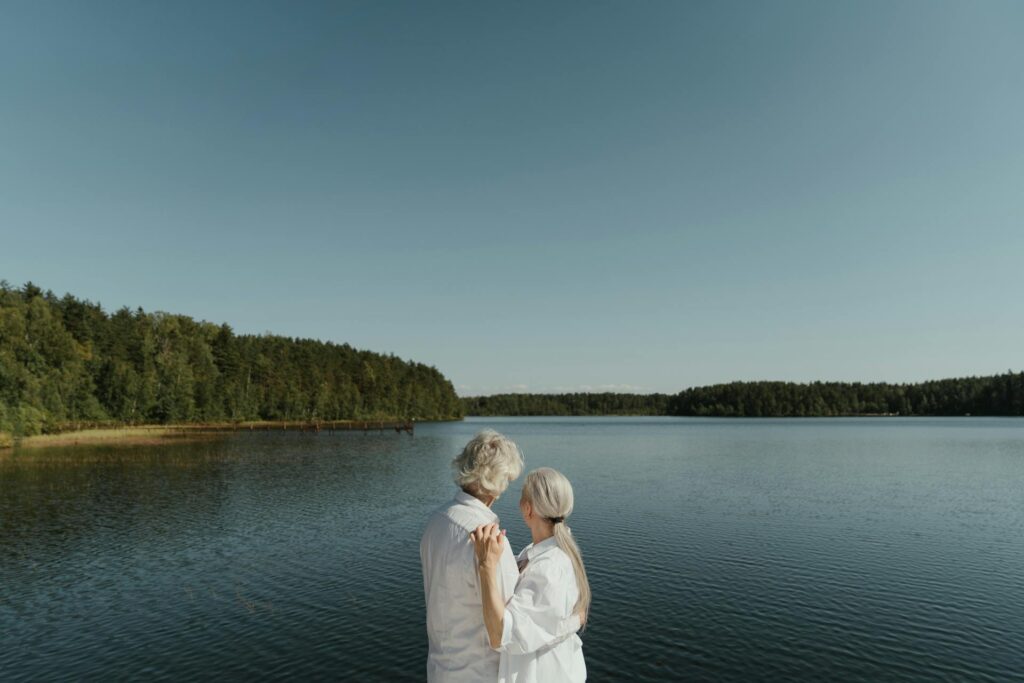
The Importance of Purpose and Passion in Your Later Years
Imagine waking up each morning with a quiet excitement about the day ahead, not because of a packed schedule, but because something lights you up inside. That’s the gift of purpose and passion in your later years. Retirement isn’t the end of meaningful living it’s a chance to redefine it. But let’s be honest: without that sense of direction, days can blur into one another, leaving you feeling a bit adrift. In this post, we’ll look at why nurturing purpose matters so much for your mind and body, backed by real research, and share straightforward ways to rediscover what gets you going. Whether you’re already retired or eyeing that horizon, these ideas could help you craft a chapter full of vitality and joy.
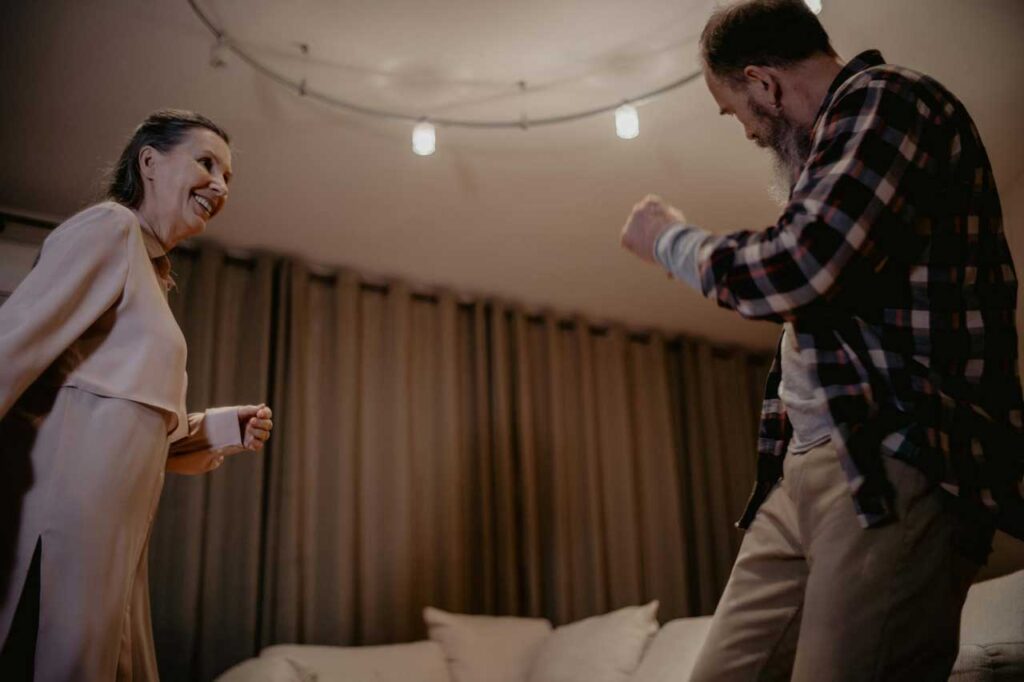
Why Purpose Feels So Vital in Later Years
Think back to your working years; perhaps your hobbies filled the voids or your job provided structure. That framework may now go with more free time, and then the question arises: what comes next? A strong sense of purpose is that inner compass that points you in the direction of what really matters, not big accomplishments. It serves as an anchor in later years, keeping you afloat when things change, such as your health or the loss of close relationships.
It goes hand in hand with passion those pursuits that make time fly, like painting, gardening, or raising a grandchild. When combined, they produce a richer and longer life. People in their 70s have told me that having a purpose changed their potential boredom into adventure. After retirement, one acquaintance formed a community book group that helped her meet people she had hardly known previously and improved her mental acuity. These tiny threads combine to create a tapestry that makes life worthwhile.

The Psychological Boost: Keeping Your Mind Sharp and Happy
Engagement is what your brain needs to function, and purpose provides it in abundance. Having exciting goals helps prevent the cloud of loneliness or mild sadness that might set in during retirement. According to studies, those who have a strong sense of purpose in life report feeling less anxious and more satisfied with their lives. Similar to mental armor, resilience increases as you take on worthwhile endeavors like volunteering or picking up a new language.
Joy is added by passion. Dopamine, the feel good molecule, is released when you immerse yourself in something you enjoy, which helps fight the blues. This means more mornings eager to create or interact and fewer sleepless nights pondering “what ifs” for many. This is a novel idea: purpose changes over time. At 70, what inspired you at 30 might change to fostering connections or imparting knowledge. Your psyche remains flexible when you embrace that flexibility.
From a practical standpoint, begin by observing what makes you grin. Every day, spend five minutes writing in your journal: “What made me feel alive today?” Patterns start to show up over time, pointing you in the direction of passions that suit your present circumstances.

Physical Perks: Living Longer, Feeling Stronger
Purpose spreads throughout your body, not just your brain. Motivated people are more inclined to exercise, eat healthily, and abstain from bad habits. Active brains result in active bodies. A strong feeling of purpose reduces the likelihood of inactivity by 24% and sleep problems by 33%, according to research. Purpose is demonstrated when you trade in your couch time for a vigorous walk since it supports your most recent endeavor.
The statistics on longevity are impressive: a 17% decrease in heart attacks and all cause mortality is associated with higher purpose. Even slower walking, a sign of weakness, and lung health are linked to it. You’re not sidelined when you’re passionate about something, like dancing or gardening.
Combining mobility and purpose is a useful prod. If mentoring calls to you, suggest walking meetings. It has two functions: heart pumping and deepening relationships.

The Science Says It All: What Recent Studies Reveal
This is well supported by science. According to a recent 2025 study, people with high purpose are 28% less likely to experience cognitive deterioration, including the early symptoms of dementia. Another from the same year emphasizes the importance of purpose in aging well and increasing resilience to declines in mental health. Long term data, such as a 28 year follow up, indicates that purpose in midlife predicts improved cognitive function decades later.
Faith and community are also intertwined; for people over 60, religious purpose is linked to improved wellness. Even spending time in nature enhances it, enhancing the well being and contentment of seniors. According to surveys, helping others makes 77% of older persons feel achieved, whereas daily purpose makes 77% feel accomplished.
These are evidence that purpose affects results, not just statistics. If purpose seems unattainable, remember that it can be developed, much like a garden that requires consistent attention.
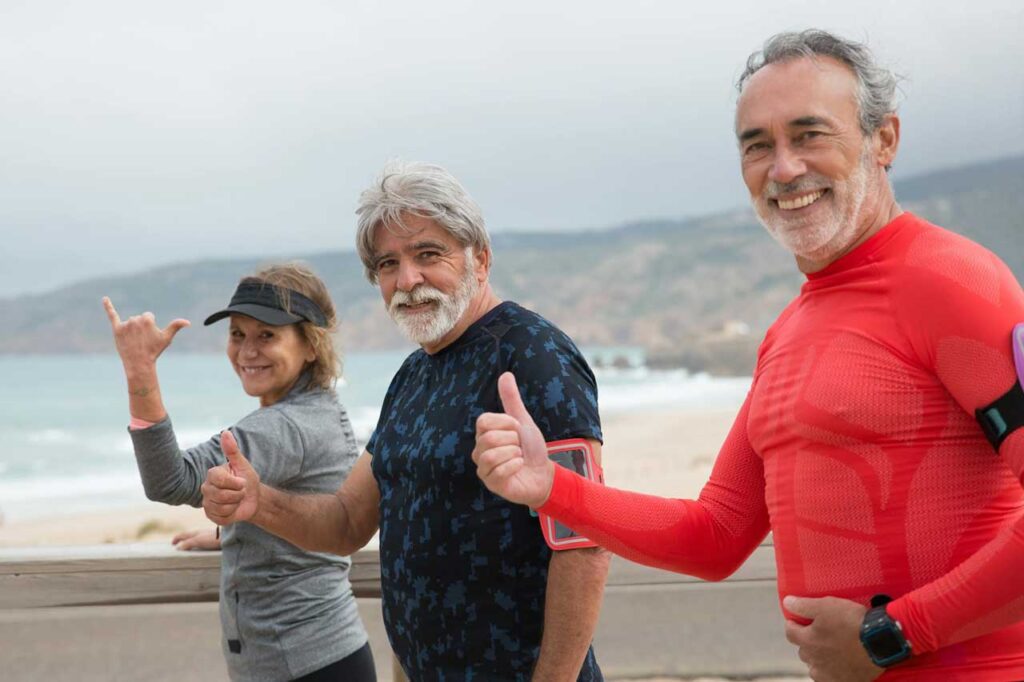
Rediscovering Passion: Where to Start in Retirement
Introspection is generally the first step towards discovering purpose. Ask yourself: What did I enjoy as a child? Retirement releases you from previous roles. Which discussions make me happy? Reflection reveals treasures that are concealed. One retiree I know brought their love of sketching back to life by reviving it as local art lessons.
Take your time and try things out slowly. Join a club or take a class without committing. Self evaluation is also beneficial: Enumerate the things, people, and causes that bring you joy. Set modest objectives, such as trying one new activity every month. This creates momentum without becoming too much.
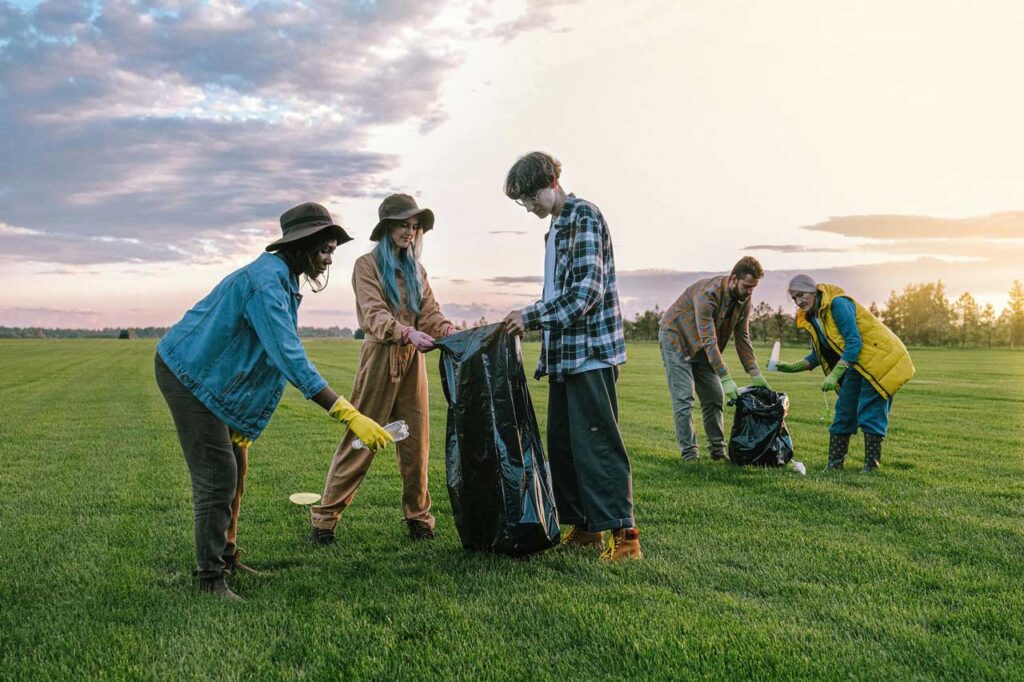
Practical Steps to Ignite That Spark
Are you prepared to take action? These concepts are derived from experts and actual experiences.
Revisit hobbies: Put away knitting needles or golf clubs. Or change course and become a foodie? Start a neighborhood supper club.
Volunteer: Exchange knowledge in shelters or schools. It fosters that helper’s high while connecting you and giving back.
Discover Something New: online lessons in guitar or history. Curiosity is maintained by lifelong study.
Start a Little Business: Work as a part time consultant or sell crafts online. Practicality and purpose come together.
Connect Socially: Join groups for travel, books, or walks. Shared passions multiply joy.
Try yoga or journaling to elucidate urges for further in depth explorations. One realization: Serving others reflects your ideals and increases fulfillment; passion frequently lurks in service.
Fast Starter Strategy: Week 1: Make a list of three interests and reflect. Try one activity in the second week. Week 3: Bring a companion. If necessary, make adjustments it’s your rhythm.
Staying Engaged Day to Day: Making It Last
Routines are linked with purpose; it is not an isolated event. Create routines such as “Today, I’ll call a friend and tend to my garden.” Keep a notepad to record your victories; little notes add up to proof of improvement.
Problems occur doubts or drops in energy. Respond gracefully: Remain strong, don’t give up. The community is helpful; volunteer teams or book clubs offer accountability. Keep in mind that involvement changes throughout time, so it’s acceptable if what works at age 65 changes at age 75.
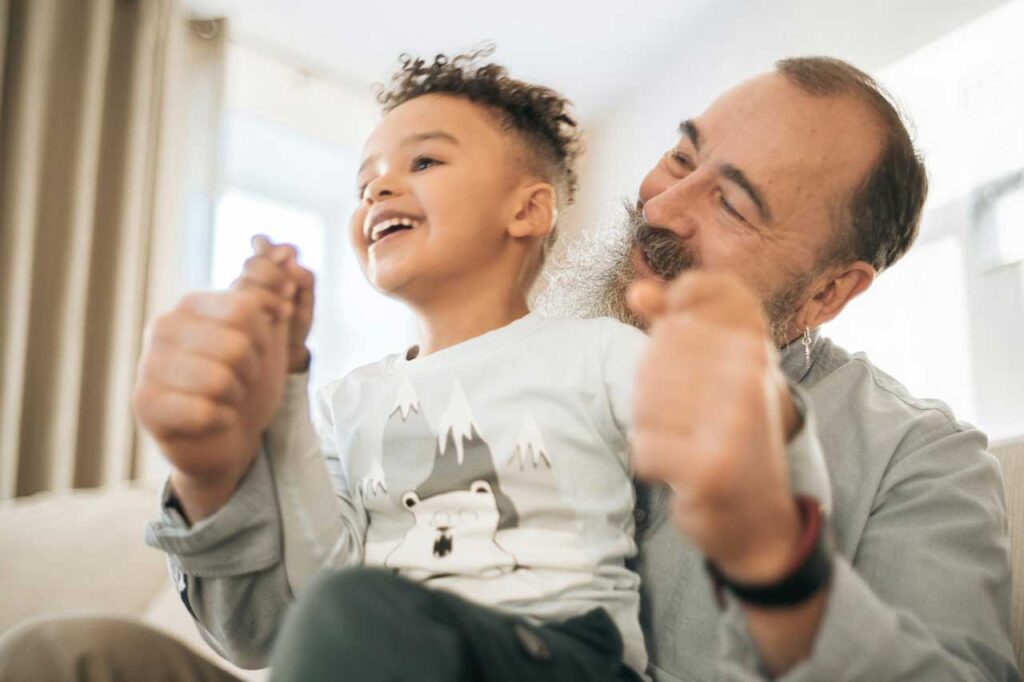
Retirees’ advice: combine legacy with passions. Document family histories or teach grandchildren new skills. It ensures that your light lasts by causing ripples.

Your Next Chapter Awaits
In later life, passion and purpose are essential to a full, connected life, not extravagances. The advantages of investing now are numerous and include healthier bodies and sharper minds. This season is yours to enjoy, so do what makes you happy. Today, start small with a sketch, a call, or a walk. Your narrative is only getting better; it’s far from over. Which spark will you pursue this week?
