

Recharge Your Day: Exploring the Science Backed Benefits of Napping for Better Sleep and Recovery
It is not an indication of laziness to nap. It is a wise strategy for many people to boost brain function, replenish energy, and get the body ready for the remainder of the day. Short naps have been shown to increase alertness, productivity, and even long term health, even though most cultures consider nighttime sleep to be the primary source of rest. The science behind naps, their effects on sleep and recuperation, and healthy ways to include naps into your daily routine will all be covered in this piece.

The Science of Napping
Light sleep, deep sleep, and REM (rapid eye movement) sleep are among the stages of sleep. Your body goes through these phases in a shorter cycle when you sleep. Which stages you reach depends on how long you slumber. A 90 minute nap enables a complete sleep cycle that includes deep and REM sleep, but a 20 minute nap often covers light sleep and revitalizes the brain without making you feel drowsy.
Short naps have been shown to benefit the same brain areas involved in memory, learning, and emotional control. Your neurological system can be reset by taking a nap, which can reduce tension and improve focus.
Benefits of Napping Backed by Science
1. Improved Cognitive Function
Research indicates that even a 10 to 20 minute snooze enhances decision-making, problem solving, and memory recall. Like resetting a computer, naps allow your brain to digest information and free up temporary storage space.
2. Better Physical Recovery
Naps aid in the rehabilitation and rebuilding of muscles in athletes and those who engage in strenuous labor. Longer naps after vigorous exercise are beneficial because deeper phases of sleep produce growth hormone, which aids in tissue repair.
3. Stress Reduction
The stress hormone cortisol, which helps control heart rate and blood pressure, is reduced while you nap. Regular nappers frequently report feeling less stressed and more resilient to life’s obstacles.
4. Enhanced Creativity
REM sleep containing naps foster creativity. The brain makes connections between concepts and fortifies emotional equilibrium during REM. For this reason, naps are a common way for authors, artists, and businesspeople to reenergize their creative minds.
5. Energy Boost and Alertness
In the afternoon, a nap might offer a natural energy boost instead of relying on caffeine. When taken at the right time, naps rejuvenate the body without causing any adverse effects, unlike coffee, which remains in your system for hours and might disrupt your sleep at night.
How Long Should You Nap?
The length of your nap determines how refreshed you feel after waking up. Here is a breakdown:
| Nap Length | Benefits |
|---|---|
| 10-20 minutes | Boosts alertness and focus without grogginess. |
| 30 minutes | May cause grogginess due to waking from deeper sleep. |
| 60 minutes | Improves memory, supports physical recovery, some grogginess possible. |
| 90 minutes | Completes a full sleep cycle with benefits for creativity, learning, and emotional health. |
When Is the Best Time to Nap?
Generally speaking, the best time to nap is from 1:00 PM to 3:00 PM. You are more likely to fall asleep fast during this time since your body temperature slightly drops and your natural level of alertness decreases. Too many late day naps might disrupt your sleep at night and cause you toss and turn when it’s time to go to bed.

Who Benefits the Most from Napping?
- Students: Taking naps enhances learning and memory, which benefits academic achievement.
- Shift Workers: Short naps help people who work erratic hours stay safe and attentive.
- Athletes: More sleep aids in energy restoration and muscular rehabilitation.
- Parents of little children: Taking naps can help make up for sleep lost due to nighttime awakenings.
- Elderly people: Quick naps increase alertness throughout the day without interfering with sleep at night.
Tips for a Healthy Nap Routine
- Keep it brief: If you have to return to work right away, aim for 20 minutes to prevent grogginess.
- Establish a serene atmosphere: To fall asleep more quickly, take a nap somewhere cold, quiet, and dark.
White noise or a sleep mask can be used to promote relaxation and block out distractions. - Make an alarm: In order to avoid oversleeping, set a timer.
- Maintain consistency: by attempting to snooze at the same time every day if you take naps on a regular basis.
Common Myths About Napping
Myth 1: Naps Are for Lazy People
Napping is not a symptom of sloth; rather, it is a natural biological requirement. Even great intellectuals and leaders, like Albert Einstein and Winston Churchill, depended on sleep.
Myth 2: Naps Always Ruin Nighttime Sleep
For most people, taking quick naps in the early afternoon does not interfere with their sleep at night. The naps that disrupt sleep are the ones that are prolonged or taken late.
Myth 3: Coffee Works Better Than Napping
While caffeine can temporarily increase alertness, it cannot replace sleep in the restoration of brain function. Coffee just covers up weariness; naps remove adenosine accumulation in the brain.
Practical Ways to Add Napping to Your Lifestyle
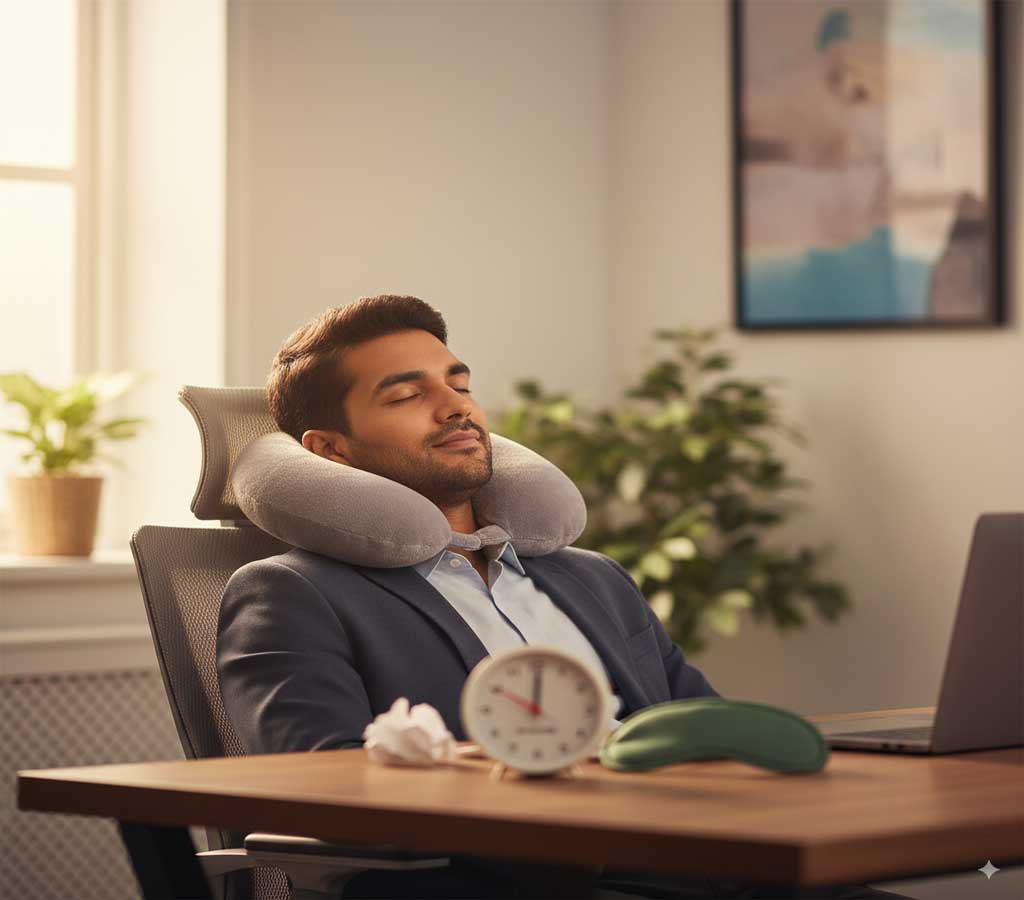
To reap the benefits, you don’t have to nap every day. It might be sufficient a couple times per week. Plan to take a quick midday snooze if you work from home. Use your break time to close your eyes in a peaceful corner or even in your car if you’re in an office setting. After training, naps help athletes recuperate more quickly.
A lengthier nap of 60 to 90 minutes could help you make up lost sleep if you are sleep deprived, but don’t use naps as a replacement for regular sleep at night. They need to supplement your primary sleep regimen rather than take its place.
Napping is an effective way to improve productivity, recuperation, and wellness. Short naps have been shown to increase focus, reduce stress, boost creativity, and restore energy. You can enhance your wellbeing and rejuvenate your day by selecting the ideal duration and time. Embrace napping as a part of a balanced lifestyle rather than resisting your body’s natural desire to relax.
