

From Miracle Cure to Modern Burgers: The Astonishing Evolution of Tomato Ketchup
Affiliate Disclosure
As an Amazon Associate, I earn from qualifying purchases. This means that if you click on a link and make a purchase, I may receive a small commission at no extra cost to you. I only recommend products I believe in and use myself.
Picture this: you visit your doctor in the 1830s with a stomach ache, and he prescribes… a bottle of ketchup. It sounds like a scene from a comedy sketch, but it was a legitimate medical treatment for a time. The journey of tomato ketchup from a purported “miracle cure” to the beloved condiment gracing nearly every refrigerator in America is one of history’s most fascinating food stories. It’s a tale filled with medical ambition, public health scares, and the innovative spirit that created the modern food industry as we know it.
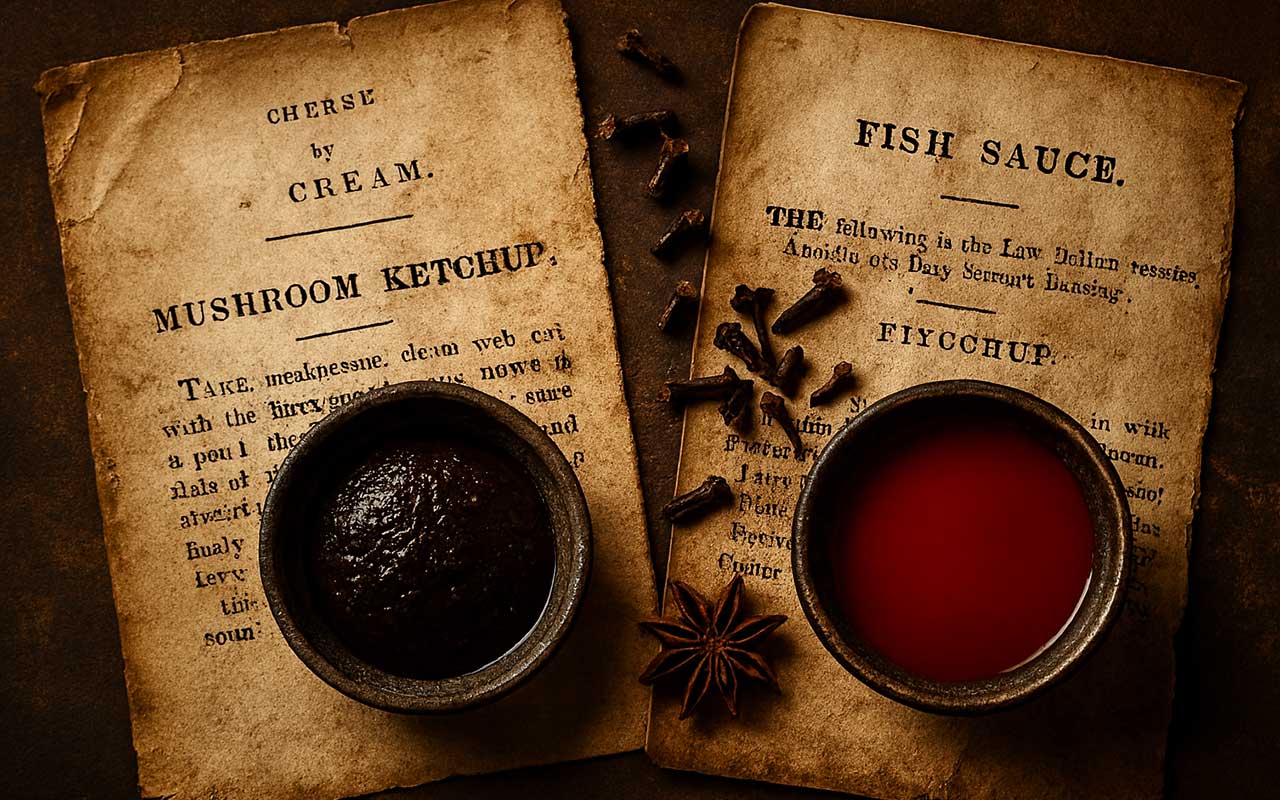
The Pre-Tomato Era A Fishy Beginning
Before we delve into the medicinal madness, it’s crucial to understand that the original “ketchup” was nothing like the sweet and tangy red sauce of today. Its ancestor was a fermented fish sauce from Southern China known as “ge-thcup” or “koe-cheup.” Dating back to 300 B.C., this pungent, salty paste made from fish entrails and soybeans was a durable staple on long sea voyages. In the 18th century, British traders introduced this exotic flavor to Europe.
European chefs, eager to replicate the sauce, sparked a ketchup renaissance. Cookbooks from the era are filled with recipes for ketchups made from oysters, mushrooms, walnuts, and even fruits like plums. These early versions were thin, dark, savory concoctions a world away from the condiment that would eventually conquer American tables.
Dr. Bennett’s “Miracle” Tomato Pills
The tomato’s entry into the ketchup world was a pivotal moment, and it happened right here in the United States. In 1834, an Ohio physician named Dr. John Cook Bennett began promoting the tomato as a panacea for various illnesses. He confidently claimed that tomatoes could cure indigestion, diarrhea, jaundice, and rheumatism. To make this “treatment” accessible, he developed a concentrated tomato ketchup and began selling it as a medicine.
Dr. Bennett’s timing couldn’t have been better. The 1830s were marked by devastating cholera outbreaks, making digestive remedies highly sought after. He partnered with a pill salesman, Archibald Miles, to market “tomato pills,” which were essentially condensed ketchup tablets. The public, desperate for a cure, embraced them wholeheartedly, igniting a nationwide “ketchup as medicine” craze.
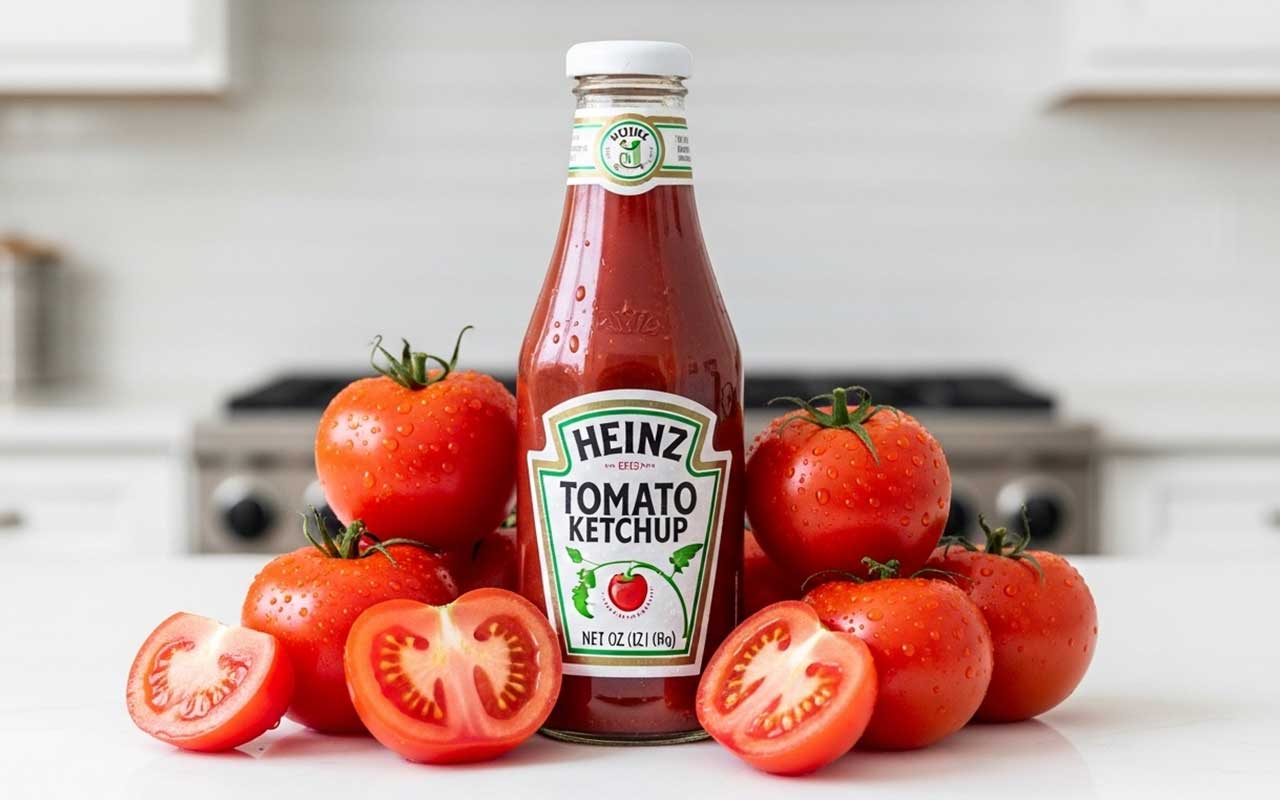
Henry J. Heinz: The Man Who Made Ketchup Safe
Amidst a landscape of questionable food production, one visionary entrepreneur, Henry J. Heinz, saw an opportunity to build a brand on a radical idea: purity. Having already found success selling horseradish in clear glass jars to showcase its quality, he turned his attention to ketchup in 1876.
Heinz was obsessed with creating a ketchup free of artificial preservatives. He discovered that by using high quality, ripe tomatoes, a precise amount of vinegar, and sufficient sugar, he could create a naturally shelf-stable product. His masterstroke was his continued use of clear glass bottles. This act of transparency allowed customers to see the ketchup’s purity for themselves, building a foundation of trust that would become the bedrock of his empire.
Reading about this fascinating history can make you appreciate the journey of our food. For those who love diving deep into culinary history, a book like “Salt, Fat, Acid, Heat: Mastering the Elements of Good Cooking” by Samin Nosrat provides a brilliant framework for understanding flavors, much like Heinz did with ketchup.
Beyond Ketchup: 5 Healthy and Trending Tomato Recipes
Tomatoes are a powerhouse of nutrition, rich in lycopene, vitamin C, and potassium. While ketchup has its place, let’s explore five healthy and delicious ways to celebrate the tomato in its fresher forms. A good set of glass storage containers are perfect for meal prepping these vibrant dishes.
1. Mediterranean Roasted Cherry Tomato and Feta Pasta
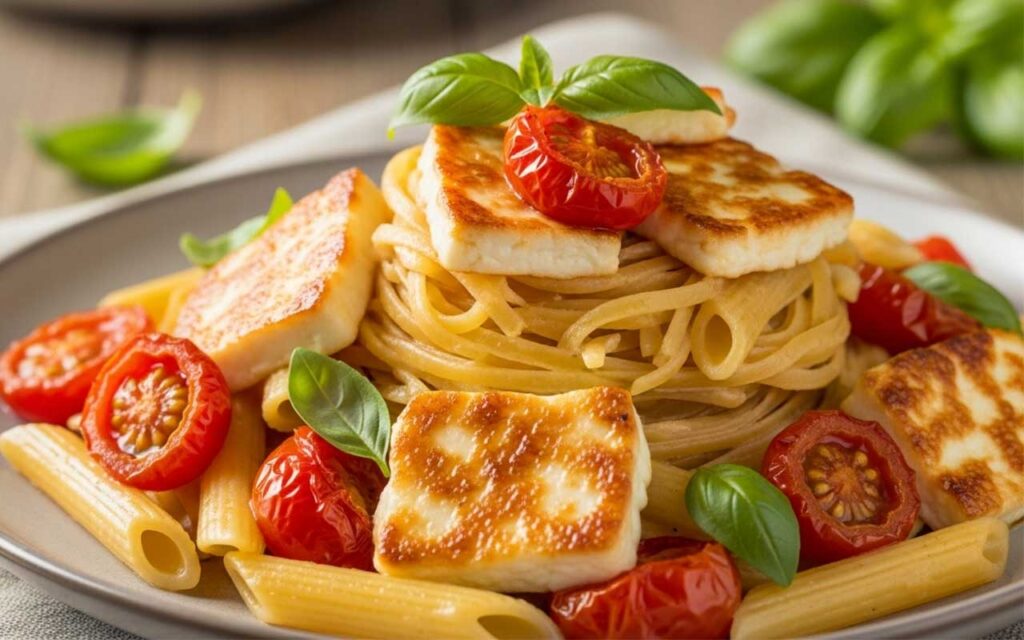
This viral recipe is popular for a reason: it’s incredibly easy, visually stunning, and packed with flavor. Roasting the tomatoes brings out their natural sweetness.
Ingredients:
- Cherry Tomatoes: 2 pints (about 4 cups or 600g)
- Feta Cheese: 1 block (7-8 oz or 200g)
- Olive Oil: 1/2 cup (120 ml)
- Garlic: 4 cloves, minced
- Red Pepper Flakes: 1/2 tsp (optional, for heat)
- Dried Oregano: 1 tsp
- Salt and Black Pepper: To taste
- Pasta: 12 oz (340g) of your choice (like penne or rotini)
- Fresh Basil: For garnish
Instructions:
- Preheat your oven to 400°F (200°C).
- Place the block of feta in the center of a 9×13 inch (23×33 cm) baking dish. Arrange the cherry tomatoes around it.
- Drizzle the olive oil over the tomatoes and feta. Sprinkle with minced garlic, oregano, red pepper flakes, salt, and pepper.
- Bake for 30-35 minutes, until the tomatoes have burst and the feta is soft and golden.
- While it bakes, cook the pasta according to package directions. Reserve about 1 cup (240 ml) of pasta water before draining.
- Once the feta and tomatoes are done, mash them together with a fork to create a creamy sauce. Stir in the cooked pasta and a splash of the reserved pasta water to reach your desired consistency.
- Garnish with fresh basil and serve immediately.
2. Shakshuka (Eggs Poached in Spiced Tomato Sauce)
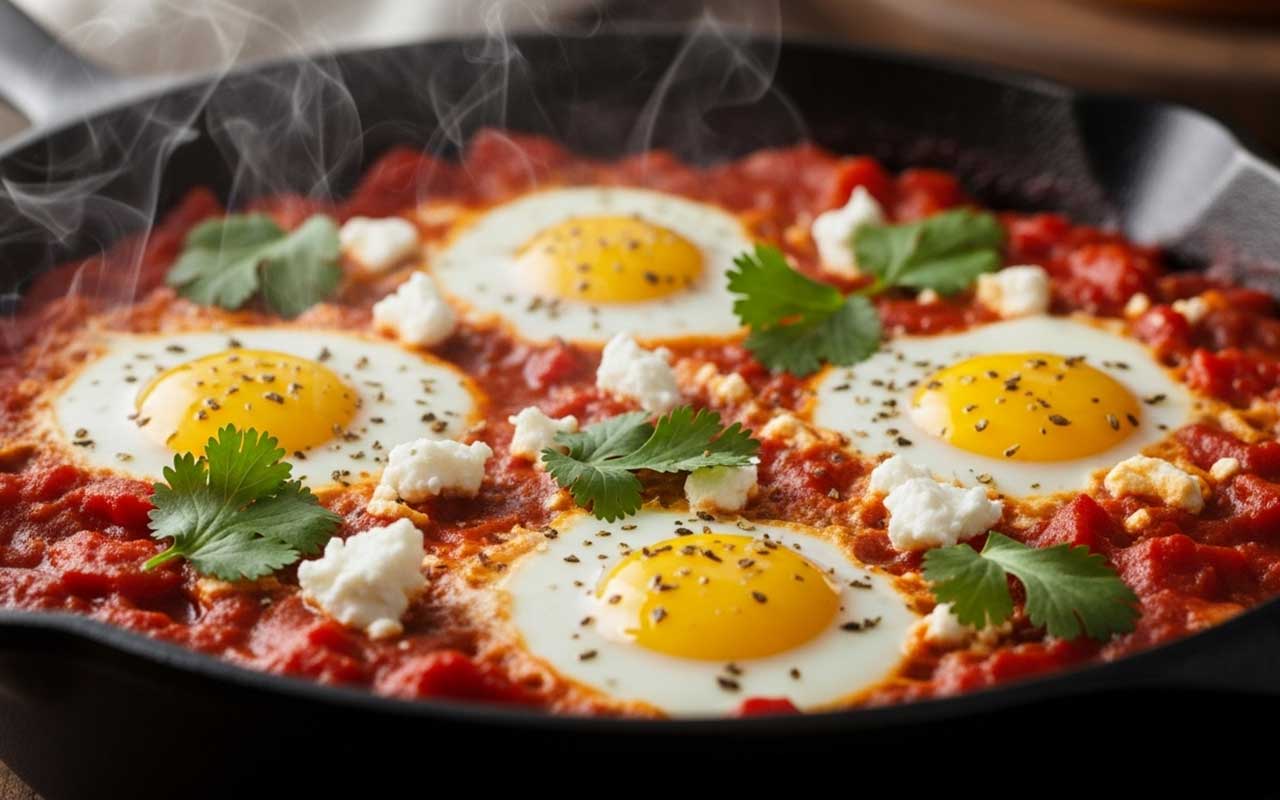
A hearty, healthy, and flavorful one pan meal perfect for breakfast, lunch, or dinner. It’s a staple in North African and Middle Eastern cuisine.
Ingredients:
- Olive Oil: 2 tbsp (30 ml)
- Onion: 1 large, finely chopped
- Bell Pepper: 1 red, finely chopped
- Garlic: 4 cloves, minced
- Canned Diced Tomatoes: 1 can (28 oz or 800g), with juices
- Cumin: 1 tsp
- Paprika: 1 tsp
- Cayenne Pepper: 1/4 tsp (or to taste)
- Salt and Black Pepper: To taste
- Eggs: 6 large
- Fresh Parsley or Cilantro: Chopped, for garnish
- Feta Cheese: Crumbled (optional)
Instructions:
- Heat olive oil in a large, oven safe skillet or pan over medium heat. Add the onion and bell pepper and cook until softened, about 5-7 minutes.
- Add the garlic and cook for another minute until fragrant. Stir in the cumin, paprika, and cayenne pepper.
- Pour in the diced tomatoes with their juices. Season with salt and pepper. Bring to a simmer and let it cook for 10-15 minutes, until the sauce has thickened slightly.
- Using a spoon, create six small wells in the tomato sauce. Gently crack an egg into each well.
- Reduce the heat to low, cover the skillet, and cook for 5-8 minutes, or until the egg whites are set but the yolks are still runny.
- Garnish with fresh parsley or cilantro and a sprinkle of feta cheese if desired. Serve hot with crusty bread for dipping.
3. Fresh Caprese Salad with Balsamic Glaze
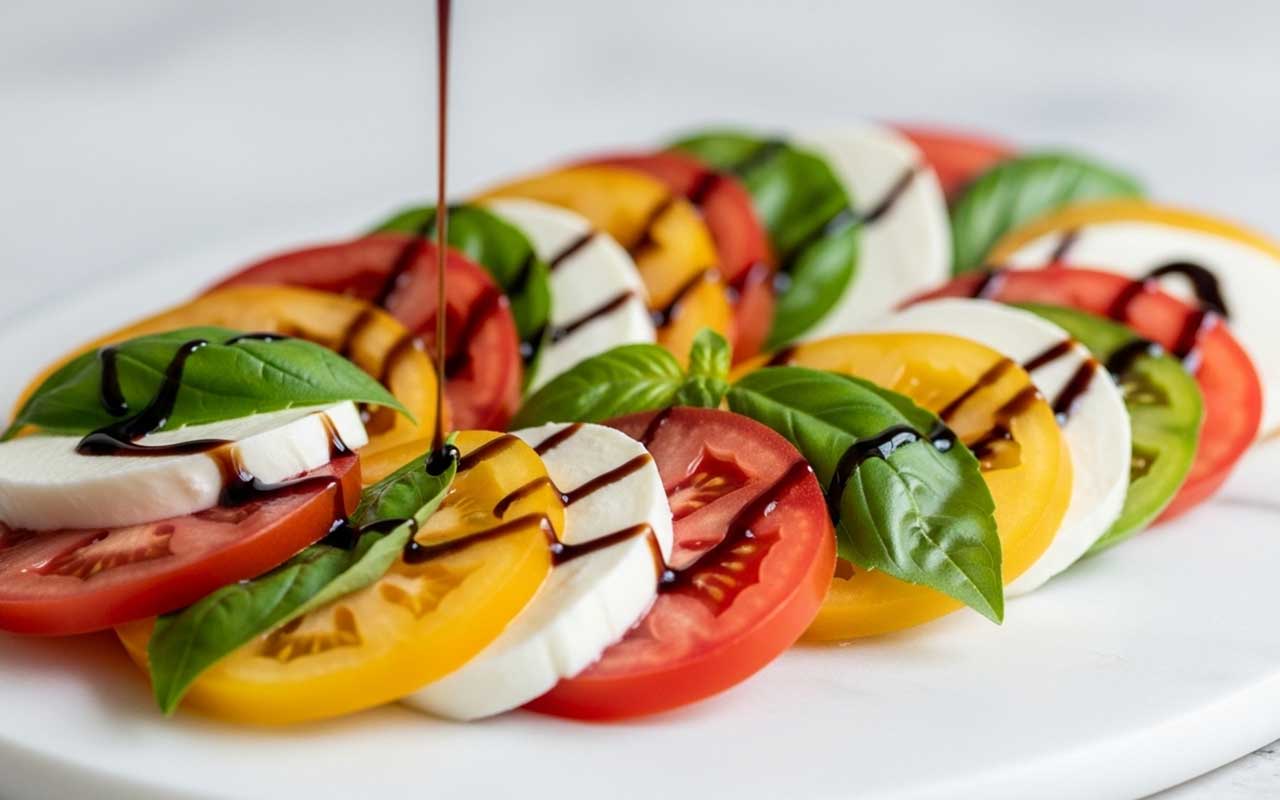
A simple, elegant Italian salad that highlights the beauty of fresh ingredients. The key is to use the best quality tomatoes, mozzarella, and basil you can find.
Ingredients:
- Ripe Tomatoes: 4 large (heirloom or beefsteak work best)
- Fresh Mozzarella: 8 oz (225g), sliced into 1/4-inch (6mm) rounds
- Fresh Basil Leaves: A large handful
- Extra Virgin Olive Oil: For drizzling
- Balsamic Glaze: For drizzling
- Flaky Sea Salt and Freshly Ground Black Pepper: To taste
Instructions:
- Slice the tomatoes into 1/4-inch (6mm) thick rounds.
- On a large platter, arrange the tomato and mozzarella slices, alternating and overlapping them.
- Tuck the fresh basil leaves in between the slices.
- Just before serving, drizzle generously with extra virgin olive oil and balsamic glaze.
- Sprinkle with flaky sea salt and freshly ground black pepper.
4. Creamy Tomato and Basil Soup
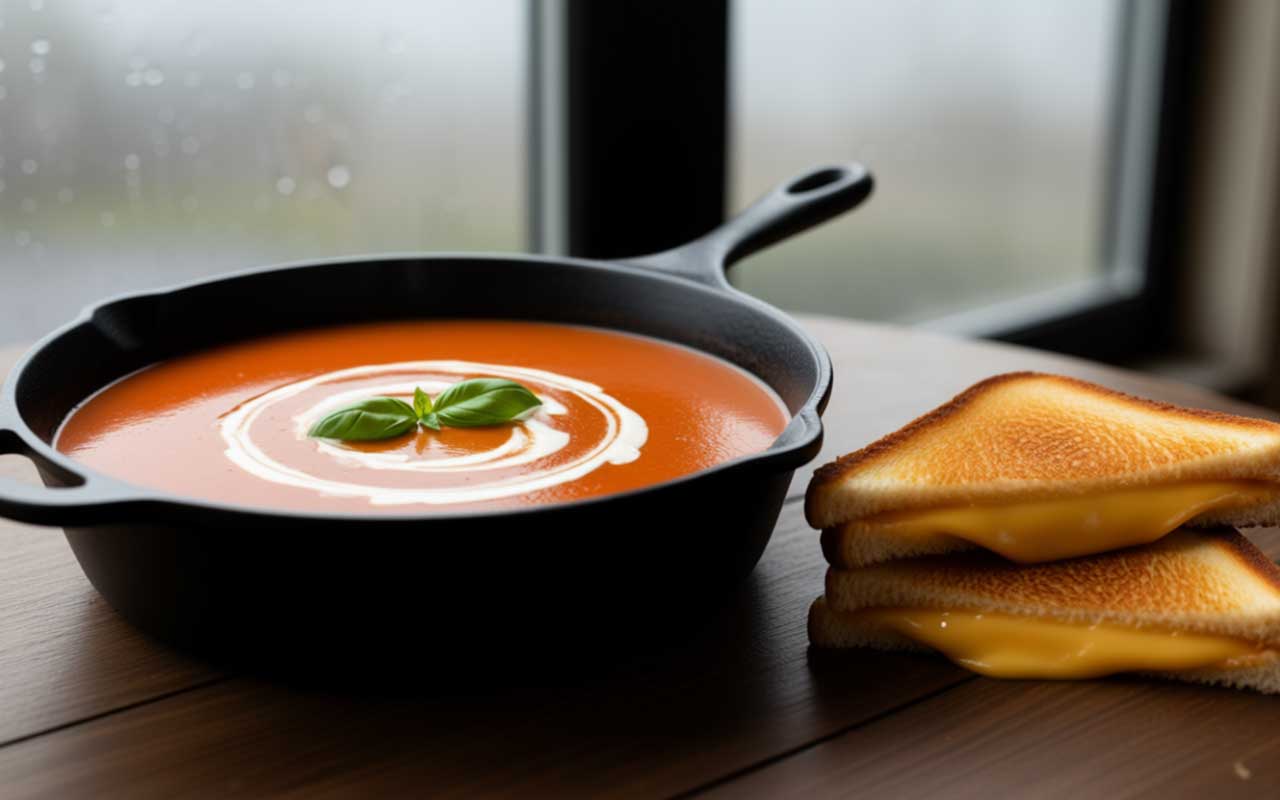
A classic comfort food that’s both healthy and satisfying. Using canned tomatoes makes it easy to enjoy year-round, and an immersion blender makes it silky smooth.
Ingredients:
- Olive Oil: 2 tbsp (30 ml)
- Onion: 1, chopped
- Carrots: 2, chopped
- Garlic: 3 cloves, minced
- Canned Crushed Tomatoes: 1 can (28 oz or 800g)
- Vegetable Broth: 4 cups (950 ml)
- Fresh Basil: 1 cup, packed
- Heavy Cream or Coconut Cream: 1/2 cup (120 ml) (optional, for richness)
- Salt and Black Pepper: To taste
Instructions:
- Heat olive oil in a large pot or Dutch oven over medium heat. Add the onion and carrots and cook until soft, about 8 minutes. Add the garlic and cook for one more minute.
- Pour in the crushed tomatoes and vegetable broth. Bring to a boil, then reduce heat and simmer for 20 minutes to let the flavors meld.
- Remove the pot from the heat. Add the fresh basil.
- Use an immersion blender to puree the soup until smooth. Alternatively, let it cool slightly and blend in batches in a regular blender.
- Return the soup to the pot. Stir in the cream (if using) and season with salt and pepper to taste.
- Gently reheat the soup without letting it boil. Serve hot with croutons or a grilled cheese sandwich.
5. Pico de Gallo (Fresh Tomato Salsa)
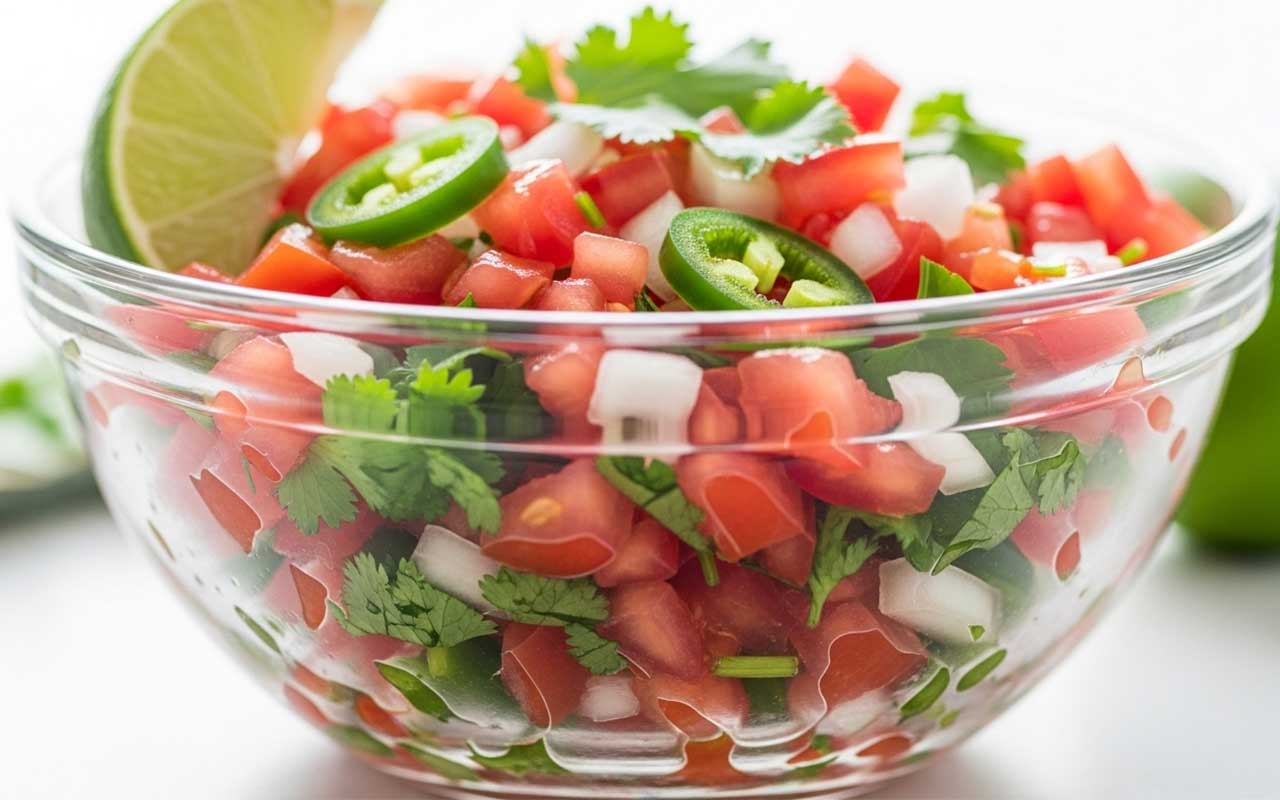
This uncooked salsa is incredibly fresh, healthy, and versatile. It’s perfect as a dip with tortilla chips or as a topping for tacos, grilled chicken, or fish.
Ingredients:
- Roma Tomatoes: 6, diced (about 2 cups)
- White Onion: 1/2, finely chopped
- Jalapeño: 1, seeds removed and minced (adjust to your spice preference) is a type of medium sized chili pepper. It is one of the most popular and widely used chili peppers in the Americas.
- Cilantro: 1/2 cup, chopped s a fresh herb and It refers to the bright green leaves and stems of the Coriandrum sativum plant.
- Lime Juice: From 1-2 limes (about 2 tbsp)
- Salt: 1/2 tsp (or to taste)
Instructions:
- In a medium bowl, combine the diced tomatoes, chopped onion, minced jalapeño, and chopped cilantro.
- Squeeze the lime juice over the mixture and sprinkle with salt.
- Stir gently until everything is well combined.
- For the best flavor, let it sit for at least 15-20 minutes before serving to allow the flavors to meld together.
