

Exploring the Rising Global Popularity of Asian Cuisine in 2025: Trends Flavors and Must Try Dishes
Asian food is no longer merely a local favorite; it is now a global phenomenon that is being served at dinner tables all over the world. As 2025 approaches, it is evident that Asian cuisine is becoming more and more popular. Asia’s culinary impact is more pronounced than ever, ranging from daring street cuisine to sophisticated delicacies with centuries-old customs. However, what precisely is behind this trend? And which foods and tastes are popular right now?
The Global Appetite for Authentic Asian Flavors
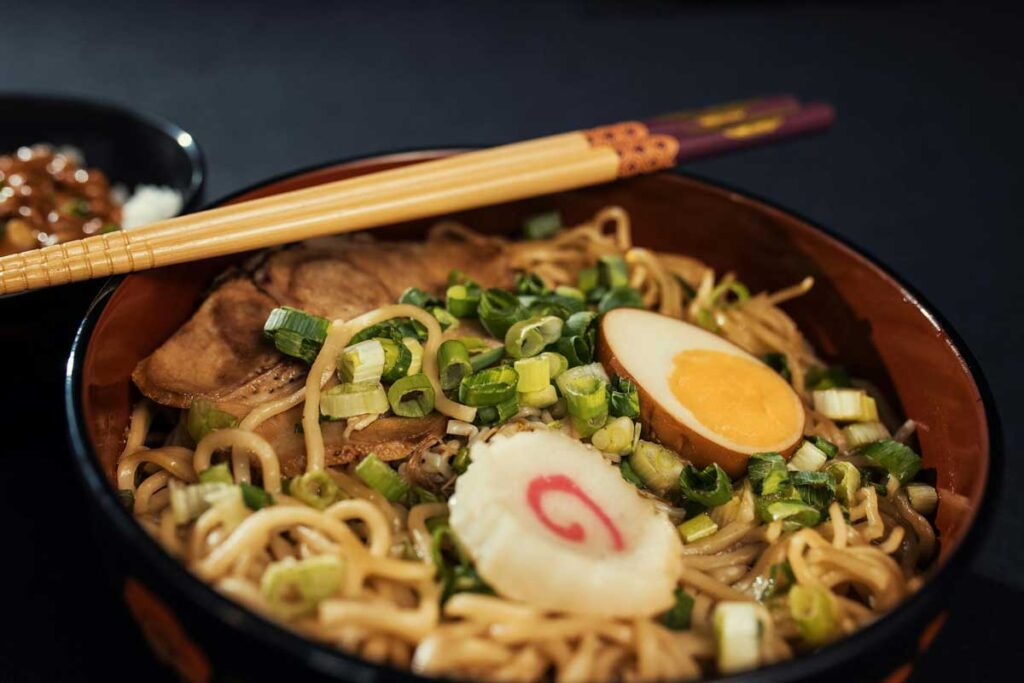
The increasing need for authenticity is one of the main causes of Asian cuisine’s expanding appeal. Today’s foodies look for authentic experiences that respect regional ingredients and traditional cuisines. The growing appeal of Japanese ramen, Filipino adobo, Vietnamese pho, and Korean bibimbap is proof of this. Taste is only one aspect of authenticity; another is the preservation of culinary traditions and the backstories of each dish.
Both packaged food companies and restaurants are highlighting these unique flavors and serving cuisine that remains loyal to its origins. The blend of umami, spice, and freshness which many people find irresistible is what makes it so appealing.

Dominance of Southeast Asian Cuisines
Flavors from Southeast Asia are becoming increasingly popular. Filipino, Vietnamese, and Korean food are the most popular worldwide. The spicy, chewy rice cakes of tteokbokki, the rich, slow cooked richness of Filipino adobo, and the fragrant profundity of Vietnamese pho are all becoming increasingly popular. These recipes are popular all over the world because they achieve a delicate balance between assertiveness and health conscious ingredients.
Fusion foods that draw inspiration from these cultures are also becoming popular. Imagine ramen carbonara, sushi burritos, and Korean tacos. This blend of classic and creative keeps diners interested and involved.

Health and Wellness in Asian Cuisine
Asian cuisine aligns well with the health consciousness of today’s consumers. Fermented foods like miso and kimchi, which are known for their gut-healthy properties, are naturally included in many Asian cuisines. Due to their high nutritional content, ingredients such shiitake mushrooms, matcha, turmeric, and seaweed are especially well liked. The cuisine’s appeal on a worldwide scale has been greatly influenced by this combining of traditional Asian ingredients with contemporary wellness ideas.
Asian meals made with plants are also becoming more popular. Asian cuisine provides a wide range of gratifying vegan and vegetarian options with ingredients including tofu, tempeh, jackfruit, and various legumes. This expanding market is reflected in products like vegan dumplings and dairy free bubble tea, which also appeal to consumers who are concerned about the environment.
Street Food Culture Goes Global
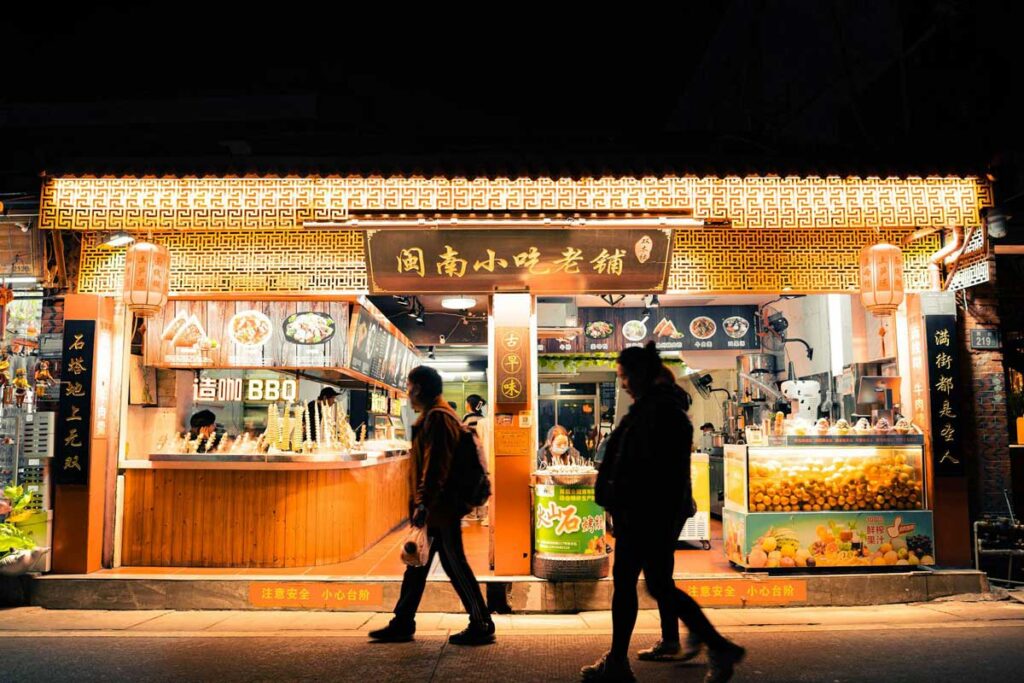
Asian street food has long been a rich and varied part of the cuisine of the area. It’s currently creating a lot of buzz around the world. In many nations, street cuisine is being embraced and modified, from Thai mango sticky rice to Indian chaat and Vietnamese banh mi. In order to ensure that more people can enjoy these tasty and reasonably priced dishes, chefs are incorporating street food into fast casual and even fine dining establishments.
For busy, contemporary eaters, this trend also satisfies the growing desire for convenience without compromising flavor.
The Role of Digital Media and Culinary Tourism
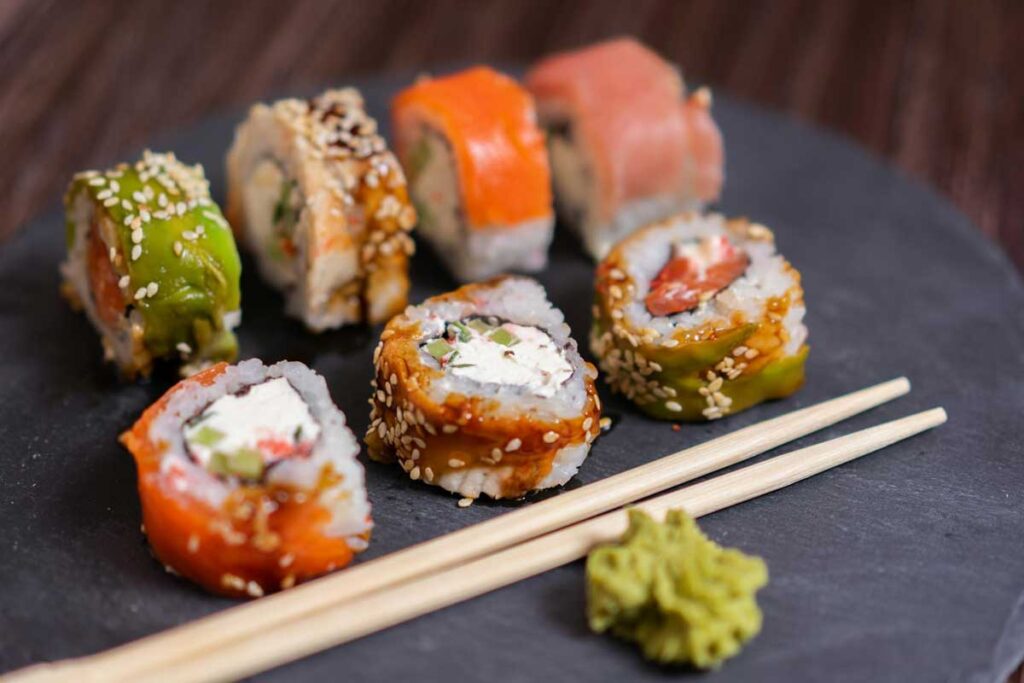
Asian food trends are widely disseminated through social media. Global cuisine discovery is now possible from home because to platforms like YouTube, Instagram, and TikTok, which popularize unusual meals and viral recipes. Sushi rolls, fusion street food, and ramen hacks are common trends that highlight Asian cuisines.
Asia Pacific is also seeing a boom in culinary tourism. Cities like Bangkok, Shanghai, Manila, and Mumbai are becoming gastronomic destinations that draw tourists from all over the world who want to try both traditional and cutting-edge cuisine. The increase in foodie travel contributes to a greater understanding of Asia’s rich gastronomic diversity on a global scale.
Must Try Asian Dishes of 2025
Whether a newbie or a seasoned foodie, these dishes stand out as essentials in exploring Asian cuisine today:
- Korean Tteokbokki: Spicy rice cakes simmered in a chili sauce, perfect for those who love a good kick.
- Vietnamese Pho: A fragrant noodle soup balancing savory beef broth with fresh herbs and lime.
- Filipino Adobo: Slow-cooked meat in soy sauce, vinegar, and garlic delivering a rich umami flavor.
- Japanese Ramen: Deeply satisfying bowls of noodles in rich broths, with many regional variations.
- Thai Green Curry: Creamy, spicy, and aromatic, made with green chilies and fresh coconut milk.
- Chinese Sichuan Hotpot: Communal cooking experience with bold, spicy flavors from Sichuan peppercorns.
- Indian Tandoori Dishes: Marinated meats and vegetables cooked in a clay oven, full of smoky, spiced goodness.
Practical Tips for Enjoying Asian Cuisine
Exploring Asian food can be intimidating for beginners, but it doesn’t have to be. Here are a few ideas to get started:
- Start Local: Seek out authentic Asian restaurants in your area. Often, diaspora communities bring trusted recipes and ingredients.
- Try Fusion Gently: Don’t hesitate to explore fusion dishes that introduce familiar ingredients in new ways.
- Cook at Home: Many Asian dishes are surprisingly accessible to cook. Explore easy recipes online and try making your own stir fry or curry at home.
- Experiment with Ingredients: Visit an Asian grocery store to discover staples like miso, tamarind, lemongrass, and various noodles.
- Ask Questions: Don’t be shy to ask restaurant staff about dishes and ingredients—they can guide you toward something you’ll love.
A greater respect for real, tasty, and healthful food is reflected in Asian cuisine’s ascent to prominence on the international scene in 2025. Whether you’re craving nutrient-dense plant-based meals, finely balanced soups, or spicy street food, this cuisine has something to offer everyone. Asian cuisine has gained a place at tables all around the world because to its inventive adaptations and rich culinary traditions.
2025 is the ideal year to explore Asian flavors more thoroughly, whether you choose to eat out, prepare at home, or visit Asian culinary hotspots. Adopting Asian cuisine can lead to exquisite flavors and cultural diversity that will continue to surprise and satisfy for years to come, since the trend is not slowing down.
