

Nourishing Your Inner Sanctuary: A Guide to Spiritual Self-Care
It’s simple to overlook the peaceful, inner space where our actual serenity and clarity exist in the midst of the daily grind. Imagine your inner sanctuary as a place of serenity, knowledge, and rejuvenation a personal haven. Spiritual self-care is essentially about taking care of this area. It is a dedication to fostering your mental, emotional, and spiritual well-being via straightforward, deliberate routines; it is neither difficult nor enigmatic.
What Does It Mean to Nourish Your Inner Sanctuary?
You are actively safeguarding and taking care of your mental and spiritual health when you take care of your inner haven. You may think of this haven as your inner vitality, your feeling of self, or even the home of your soul. Allowing this area to develop, recover, and continue to be a source of strength is what it means to nourish it. Your inner refuge need love and care to flourish, much like a garden or a good connection.
Why Focus on Spiritual Self-Care?
We are pulled in many different directions by job, relationships, social media, and the continual barrage of information in modern life. Without taking care of oneself spiritually, it’s simple to feel exhausted, disengaged, or nervous. Taking care of your inner haven helps you regain equilibrium and serenity, which makes it simpler to handle stress and keep perspective. It is an essential component of general health that promotes emotional stability, mental clarity, and a stronger sense of purpose in life.
Foundations of Nourishing Your Inner Sanctuary
You can develop this inner sanctuary with the use of a few fundamental techniques. As you discover what works best for you, build upon the fundamentals.

1. Set Aside Daily Quiet Time
One of the easiest yet most powerful strategies to support your inner sanctuary is to make time each day for mindfulness or silent thought. Focused breathing or even just 5 to 10 minutes of quiet can help you reestablish your connection with yourself and reduce stress hormones. This exercise gradually creates a serene core that you can access amid stressful situations.

2. Practice Journaling to Explore Your Inner World
Writing about your feelings, thoughts, and dreams might help you declutter your mind and uncover hidden sensations and thoughts. Journaling serves as a dialogue with oneself, providing self compassion and clarity two qualities that are critical for spiritual development.

3. Connect with Nature Regularly
There’s something about nature that naturally lifts your spirits. You can slow down and feel more rooted when you take a stroll through the woods, enjoy the breeze, or watch a sunset. Try to get outside every day or a few times a week for at least a little while.

4. Use Breathwork to Manage Energy
Your body’s energy flow is regulated by your breath. Intentionally slowing your breathing can help you regain your equilibrium and clear mental fog when you’re feeling overwhelmed or disorganized. Simple deep breathing exercises called box breathing can save lives.
5. Set Boundaries to Protect Your Peace
Taking care of your sanctuary entails protecting it. Essential spiritual self-care practices include saying no, avoiding stressful situations or people, and minimizing your exposure to unfavorable information. Setting limits is not selfish; rather, it’s essential to preserving your vitality and wellbeing.
Spiritual Practices to Explore
After you’ve mastered the fundamentals, you might wish to experiment with various spiritual exercises that enhance your routine and strengthen your bond with your inner haven.
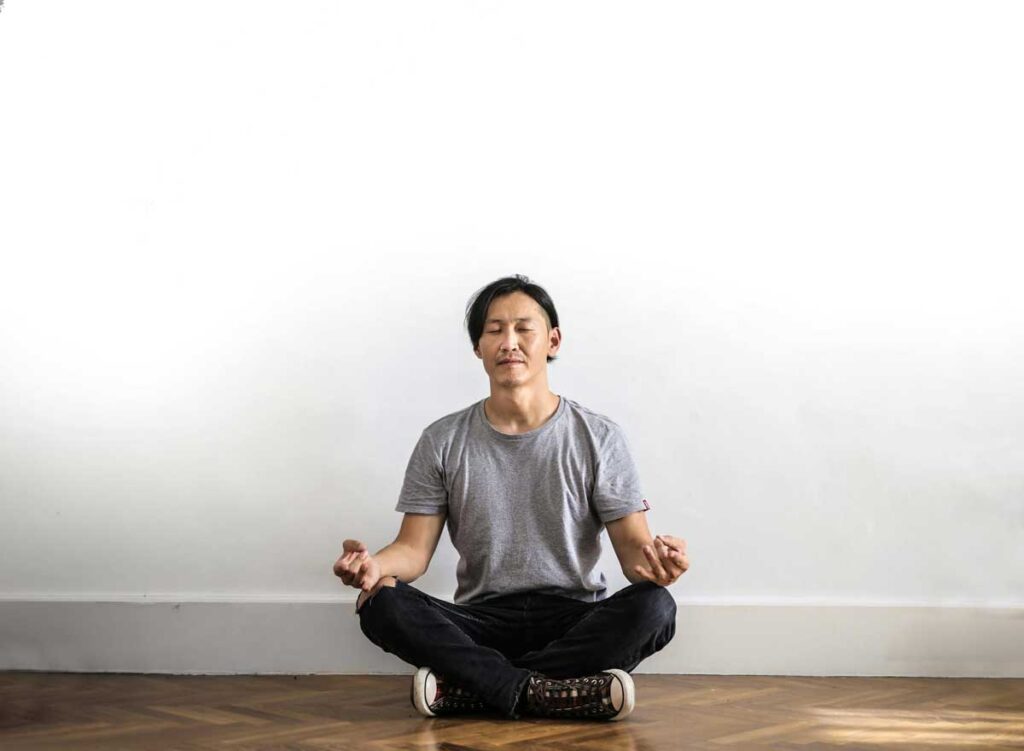
Meditation and Visualization
A great technique for clearing your head and connecting with your inner voice is meditation. Another layer can be added by using visualization to help you picture your ideal peaceful or restorative environment. When you need solace or clarification, try visualizing a place where you feel accepted and comfortable.

Energy Clearing Practices
Clearing sluggish energy and fostering vitality in your inner sanctuary can be accomplished through methods like sage smudging, singing bowl sound therapy, or yoga. These techniques, which can be as basic or complex as you like, encourage a feeling of rejuvenation.

Gratitude and Affirmations
Being grateful rewires your brain to focus on abundance, making it more than just a feel good habit. Sincere and targeted daily affirmations will boost your self esteem and strengthen your resolve to take care of yourself. Instead of using general remarks, use words or phrases that have a deep meaning for you.

Mindful Movement
Your body and mind can become more connected through movement exercises like yoga, tai chi, or even mindful strolling. These practices assist your inner sanctuary by promoting presence, reducing stress, and balancing energy.
Creating a Supportive Environment
How easy you can take care of your inner sanctuary depends largely on your surroundings. You may promote rest and spiritual sustenance in your home or place of work by making a few minor adjustments.
Declutter: A neat environment promotes peace and quiets the mind.
Include natural elements: Grounding energy is provided by plants, stones, or water features.
Soft lighting: Instead of using harsh overhead bulbs, use candles or warm-lighting lamps.
Personal belongings: Things like pictures, artwork, or sentimental mementos that uplift or soothe you.
Practical Tips for Everyday Spiritual Nourishment
It can be difficult to fit spiritual self-care into your hectic schedule, but even little, intentional acts add up. The following advice will help you manage your nutrition on any schedule:
Morning intention: Make a positive impact on your wellbeing at the beginning of each day.
Mini-breaks: Take little breaks throughout the day to practice mindful awareness or deep breathing.
Evening reflection: Write down one item you learnt or valued as you wrap up your day.
Limit screen time: To lessen sensory overload, set aside time for activities without technology.
Connect with others: Your soul is nourished by deep discussions with friends or the community.
Overcoming Common Challenges
Taking care of oneself spiritually is not always easy. You may experience lack of time, self-doubt, or diversions. Recall:
- Not every progress is flawless. Even short bursts of attention are important.
- Have patience with yourself. Spiritual development happens at its own pace.
- Instead of imposing procedures, modify techniques as your needs evolve.
Your Inner Sanctuary Is Always Within Reach
Maintaining your inner sanctuary via nourishment is a lifetime discipline that keeps you focused despite life’s ups and downs. It’s about respecting the sacred space inside of you and finding peace with yourself. By committing to this care, you provide the groundwork for your relationships, purpose, and general well-being. You’ll discover that taking even a tiny step today to cultivate your inner sanctuary has a significant impact.
